- 0
- 200 words
By late April 2026, the first large-scale pilot projects for 6G-SENSES are underway. We are moving beyond the 5G era of “faster downloads” into an era where the network itself acts as a high-resolution sensor.
1. Integrated Sensing and Communications (ISAC)
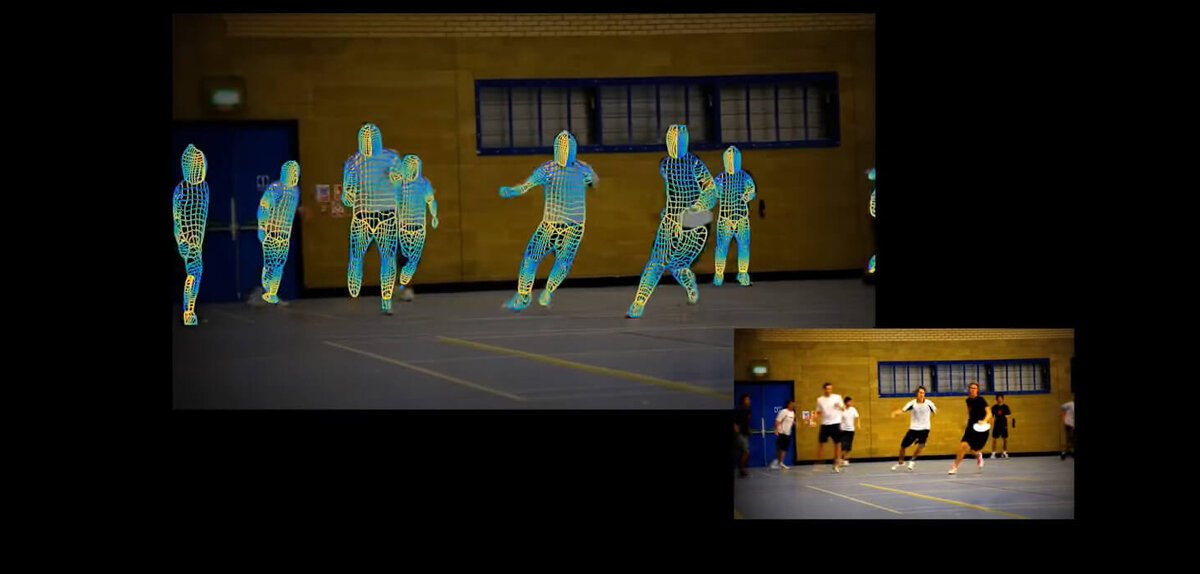
6G operates in the Terahertz (THz) and sub-THz frequency bands. These waves are so fine that they don’t just carry data; they bounce off objects like a radar. In 2026, this allows for Wireless X-Ray Vision. A 6G router in a warehouse can detect the presence, movement, and even the breathing rate of workers behind shelving units, enhancing safety without the need for privacy-invasive cameras.
2. Holographic MIMO
The 2026 6G infrastructure utilizes Reconfigurable Intelligent Surfaces (RIS). These are “smart mirrors” for radio waves that can steer signals around corners. This technology enables Holographic Telepresence, allowing remote specialists to appear as high-definition, 3D light-field projections in a factory or boardroom with zero lag.
3. The 1-Microsecond Latency Goal
While 5G targeted 1 millisecond, 6G is pushing toward sub-microsecond latency. This is critical for the “Tactile Internet,” where a surgeon in one city can feel the resistance of a robotic scalpel in another city in real-time, or autonomous vehicles can coordinate “hive-mind” maneuvers at 120 km/h.
Author

hq2026host4@gmail.com
Related Posts

The Sovereign AI Trend: Why Nations are Building Their Own LLMs
- 0
- 194 words
By April 2026, the era of relying solely on “Big Tech” for AI is ending. Countries like the Kyrgyz Republic, Saudi Arabia,...
Read out all
6G and the “Internet of Senses”: What to Expect by 2028
- 0
- 167 words
While we are in the peak of the 5G era in 2026, the 6G prototypes being tested today in China and the...
Read out all
The AI Agentic Mesh: How Autonomous Agents Coordinate the 2026 Smart Factory
- 0
- 203 words
In 2024, AI was a tool we used. In 2026, AI is a workforce. The “Agentic Mesh” is a decentralized network of...
Read out all
Human-Cobot Collaboration: The Symbiotic Rise of 2026
- 0
- 169 words
By April 2026, Collaborative Robots (Cobots) have moved beyond simple “pick and place” tasks. They are now industrial-grade partners capable of precision...
Read out all
Additive Manufacturing at Scale: 3D Printing the 2026 Economy
- 0
- 173 words
After years of being a prototyping tool, 3D printing (Additive Manufacturing) has officially moved to mass production in 2026, with the global...
Read out all
Digital Twin 2.0: From Simulation to Autonomous Decision-Making
- 0
- 181 words
Digital Twins in 2026 have reached “Level 3 Maturity.” They are no longer just 3D models; they are Live Biological Mirrors of...
Read out all