
- 0
- 203 words
In 2024, AI was a tool we used. In 2026, AI is a workforce. The “Agentic Mesh” is a decentralized network of autonomous AI agents that communicate using the A2A (Agent-to-Agent) protocol to manage entire industrial workflows without constant human intervention.
1. Intent-Based Manufacturing
We have moved from instruction-based computing to intent-based computing. A factory manager no longer programs a sequence of tasks; they state an intent: “Increase production of Model X by 20% while maintaining a $50 unit cost.” The Agentic Mesh then negotiates with logistics agents, energy-management agents, and floor-robot agents to reconfigure the entire supply chain in minutes.
2. Role-Based AI Agents
Unlike the chatbots of the past, 2026 agents are specialized by role. You now have Procurement Agents that automatically scout for cheaper raw materials when prices spike, and Security Agents that proactively “hunt” for vulnerabilities in the factory’s IoT network, patching them before a human even sees an alert.
3. The Digital Assembly Line
By using the Model Context Protocol (MCP), agents from different vendors (e.g., a Siemens agent talking to a Microsoft agent) can collaborate. If a shipping delay is detected by a logistics agent, it automatically alerts the production agent to slow down the line, preventing a bottleneck of unsold inventory.
Author

hq2026host4@gmail.com
Related Posts

The Sovereign AI Trend: Why Nations are Building Their Own LLMs
- 0
- 194 words
By April 2026, the era of relying solely on “Big Tech” for AI is ending. Countries like the Kyrgyz Republic, Saudi Arabia,...
Read out all
6G and the “Internet of Senses”: What to Expect by 2028
- 0
- 167 words
While we are in the peak of the 5G era in 2026, the 6G prototypes being tested today in China and the...
Read out all
Human-Cobot Collaboration: The Symbiotic Rise of 2026
- 0
- 169 words
By April 2026, Collaborative Robots (Cobots) have moved beyond simple “pick and place” tasks. They are now industrial-grade partners capable of precision...
Read out all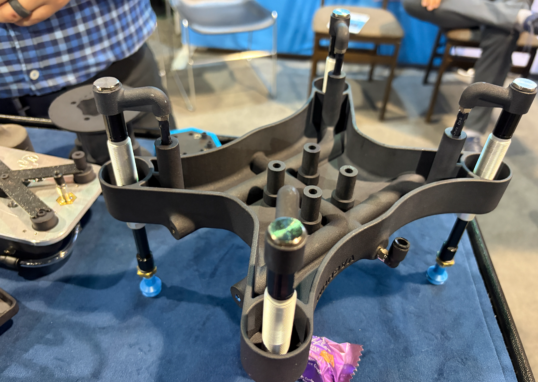
Additive Manufacturing at Scale: 3D Printing the 2026 Economy
- 0
- 173 words
After years of being a prototyping tool, 3D printing (Additive Manufacturing) has officially moved to mass production in 2026, with the global...
Read out all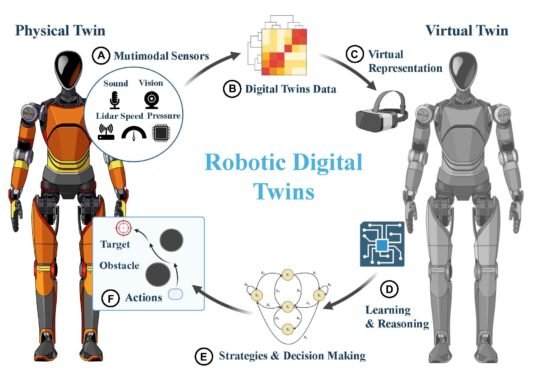
Digital Twin 2.0: From Simulation to Autonomous Decision-Making
- 0
- 181 words
Digital Twins in 2026 have reached “Level 3 Maturity.” They are no longer just 3D models; they are Live Biological Mirrors of...
Read out all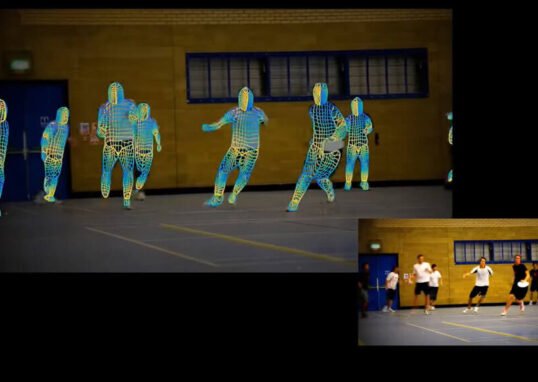
6G and Terahertz Sensing: Why Your Wi-Fi Will Soon “See” Through Walls
- 0
- 200 words
By late April 2026, the first large-scale pilot projects for 6G-SENSES are underway. We are moving beyond the 5G era of “faster...
Read out all