- 0
- 173 words
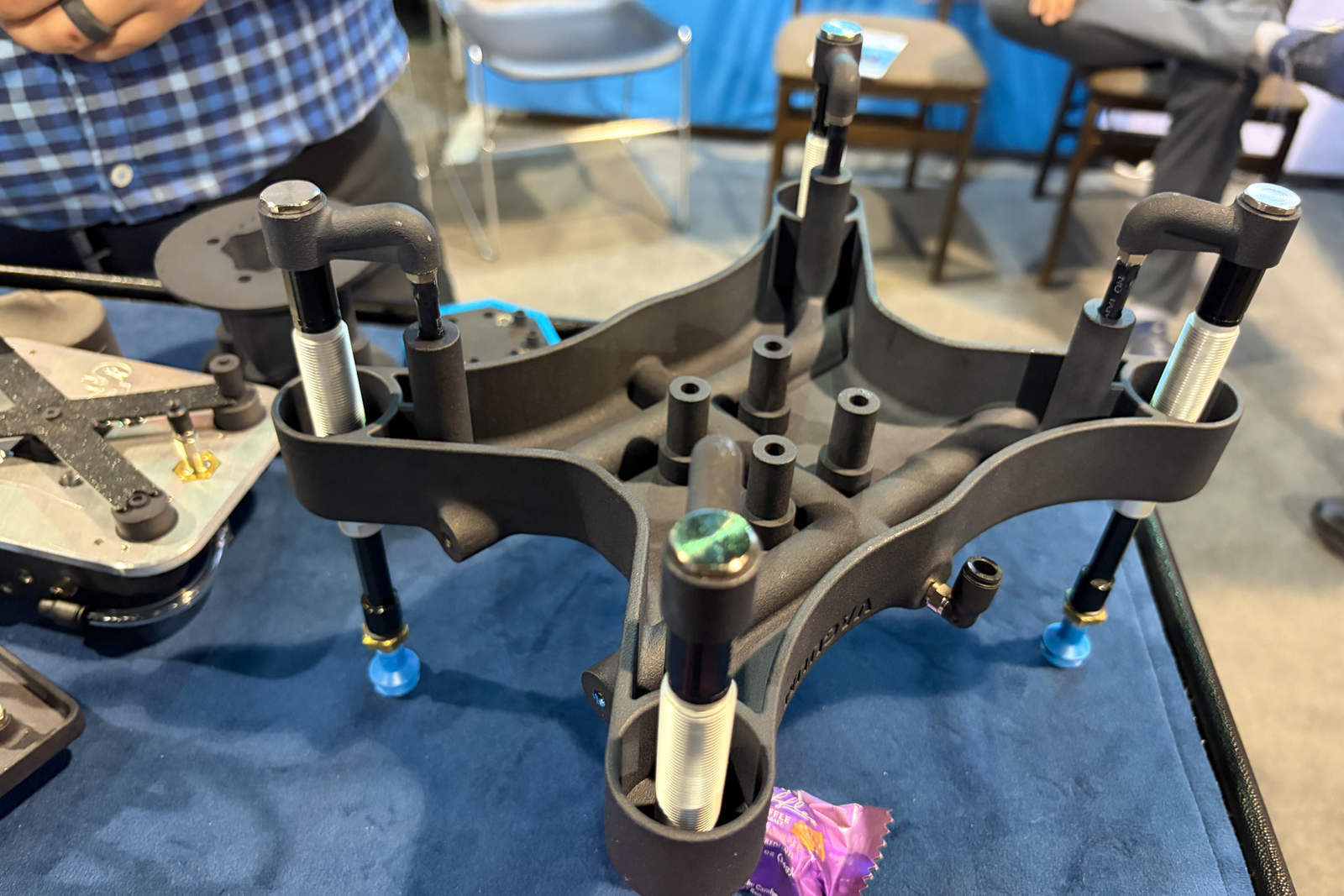
After years of being a prototyping tool, 3D printing (Additive Manufacturing) has officially moved to mass production in 2026, with the global market projected to reach $44.5 billion this year.
1. “Born-Qualified” Parts
In 2026, parts emerge from the printer already certified for use. High-fidelity in-situ sensors monitor the print layer-by-layer. If a defect is detected, the AI adjusts the laser intensity in real-time to fix the flaw during the print, eliminating the need for expensive post-production X-rays.
2. The Digital Inventory Revolution
Physical warehouses are being replaced by Digital Part Libraries. Instead of storing 10,000 spare parts for a 20-year-old tractor, companies now store the CAD file. When a part is needed, it is printed at a local “Print-as-a-Service” hub near the customer, cutting shipping costs and carbon emissions by 90%.
3. Multi-Material Printing
2026 printers can now blend materials in a single job. Engineers can print an object that is rigid in the center for strength but flexible on the edges for grip, or even integrate conductive inks directly into a structural part to create “Smart Components” with built-in sensors.
Author

hq2026host4@gmail.com
Related Posts

The Sovereign AI Trend: Why Nations are Building Their Own LLMs
- 0
- 194 words
By April 2026, the era of relying solely on “Big Tech” for AI is ending. Countries like the Kyrgyz Republic, Saudi Arabia,...
Read out all
6G and the “Internet of Senses”: What to Expect by 2028
- 0
- 167 words
While we are in the peak of the 5G era in 2026, the 6G prototypes being tested today in China and the...
Read out all
The AI Agentic Mesh: How Autonomous Agents Coordinate the 2026 Smart Factory
- 0
- 203 words
In 2024, AI was a tool we used. In 2026, AI is a workforce. The “Agentic Mesh” is a decentralized network of...
Read out all
Human-Cobot Collaboration: The Symbiotic Rise of 2026
- 0
- 169 words
By April 2026, Collaborative Robots (Cobots) have moved beyond simple “pick and place” tasks. They are now industrial-grade partners capable of precision...
Read out all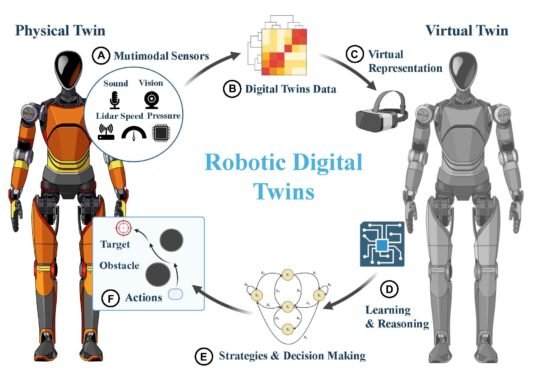
Digital Twin 2.0: From Simulation to Autonomous Decision-Making
- 0
- 181 words
Digital Twins in 2026 have reached “Level 3 Maturity.” They are no longer just 3D models; they are Live Biological Mirrors of...
Read out all
6G and Terahertz Sensing: Why Your Wi-Fi Will Soon “See” Through Walls
- 0
- 200 words
By late April 2026, the first large-scale pilot projects for 6G-SENSES are underway. We are moving beyond the 5G era of “faster...
Read out all