- 0
- 162 words
In April 2026, the tech world is buzzing over Bio-Hybrid Chips. These are not just computers inspired by the brain; they are silicon circuits that incorporate living biological sensors.
1. Environmental “Sniffing” Sensors
Unlike traditional chemical sensors, bio-hybrid chips use engineered cells that react to specific molecules. These “Living Sensors” are now used in food processing plants to detect spoilage or pathogens at concentrations that traditional electronic sensors would miss.
2. DNA Data Storage
2026 has seen the first commercial pilots of DNA-based cold storage. While silicon is for processing, DNA is for the long term. A single gram of synthetic DNA can store 215 petabytes of data for thousands of years. Large enterprises are now “archiving” their history in biological vials, requiring zero electricity to maintain.
3. Biological Logic Gates
Researchers are now using CRISPR to create “Logic Gates” inside living cells. This allows for “Smart Drugs” that only activate if they detect two specific markers of a disease simultaneously, effectively acting like a biological “IF-THEN” statement.
Author

hq2026host4@gmail.com
Related Posts

The Sovereign AI Trend: Why Nations are Building Their Own LLMs
- 0
- 194 words
By April 2026, the era of relying solely on “Big Tech” for AI is ending. Countries like the Kyrgyz Republic, Saudi Arabia,...
Read out all
6G and the “Internet of Senses”: What to Expect by 2028
- 0
- 167 words
While we are in the peak of the 5G era in 2026, the 6G prototypes being tested today in China and the...
Read out all
The AI Agentic Mesh: How Autonomous Agents Coordinate the 2026 Smart Factory
- 0
- 203 words
In 2024, AI was a tool we used. In 2026, AI is a workforce. The “Agentic Mesh” is a decentralized network of...
Read out all
Human-Cobot Collaboration: The Symbiotic Rise of 2026
- 0
- 169 words
By April 2026, Collaborative Robots (Cobots) have moved beyond simple “pick and place” tasks. They are now industrial-grade partners capable of precision...
Read out all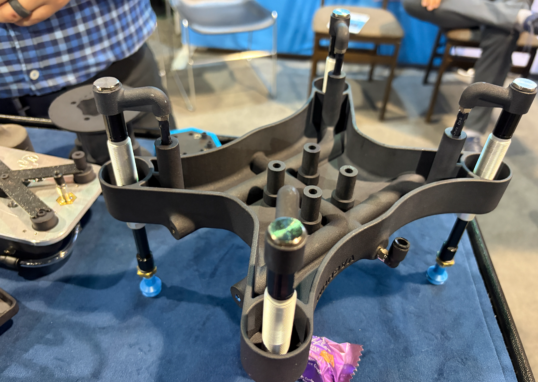
Additive Manufacturing at Scale: 3D Printing the 2026 Economy
- 0
- 173 words
After years of being a prototyping tool, 3D printing (Additive Manufacturing) has officially moved to mass production in 2026, with the global...
Read out all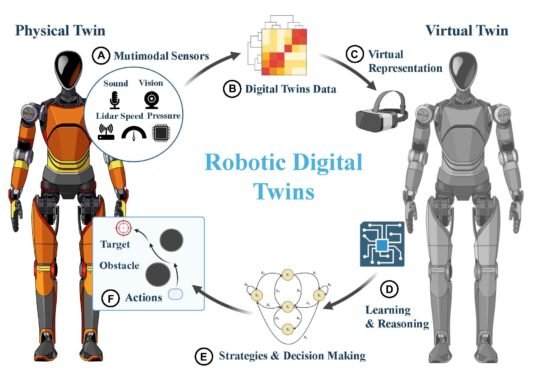
Digital Twin 2.0: From Simulation to Autonomous Decision-Making
- 0
- 181 words
Digital Twins in 2026 have reached “Level 3 Maturity.” They are no longer just 3D models; they are Live Biological Mirrors of...
Read out all