- 0
- 155 words
For a decade, Graphene was a laboratory curiosity. In 2026, it has finally reached Industrial Scale. This single layer of carbon atoms is now being integrated into the foundational materials of our cities and transport systems.
1. Graphene-Enhanced Concrete
By adding a tiny percentage of graphene to concrete, 2026 construction firms are creating buildings that are 30% stronger and significantly more water-resistant. This allows for thinner structures and a 20% reduction in global cement usage—a massive win for the industry’s carbon footprint.
2. Thermal Management in Electronics
As 2026 AI chips push the limits of heat generation, graphene “heat spreaders” have become standard. Graphene’s thermal conductivity is 10x that of copper, allowing high-performance servers to run faster without the need for energy-heavy liquid cooling systems.
3. The End of Rust
Graphene-based coatings are now being used on ships and bridges. These coatings are virtually impermeable to oxygen and salt, promising an end to the multi-billion dollar problem of metallic corrosion.
Author

hq2026host4@gmail.com
Related Posts

The Sovereign AI Trend: Why Nations are Building Their Own LLMs
- 0
- 194 words
By April 2026, the era of relying solely on “Big Tech” for AI is ending. Countries like the Kyrgyz Republic, Saudi Arabia,...
Read out all
6G and the “Internet of Senses”: What to Expect by 2028
- 0
- 167 words
While we are in the peak of the 5G era in 2026, the 6G prototypes being tested today in China and the...
Read out all
The AI Agentic Mesh: How Autonomous Agents Coordinate the 2026 Smart Factory
- 0
- 203 words
In 2024, AI was a tool we used. In 2026, AI is a workforce. The “Agentic Mesh” is a decentralized network of...
Read out all
Human-Cobot Collaboration: The Symbiotic Rise of 2026
- 0
- 169 words
By April 2026, Collaborative Robots (Cobots) have moved beyond simple “pick and place” tasks. They are now industrial-grade partners capable of precision...
Read out all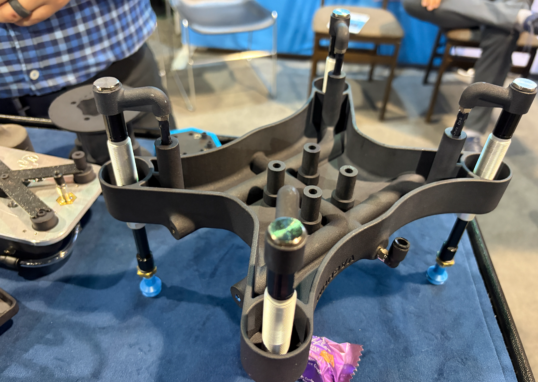
Additive Manufacturing at Scale: 3D Printing the 2026 Economy
- 0
- 173 words
After years of being a prototyping tool, 3D printing (Additive Manufacturing) has officially moved to mass production in 2026, with the global...
Read out all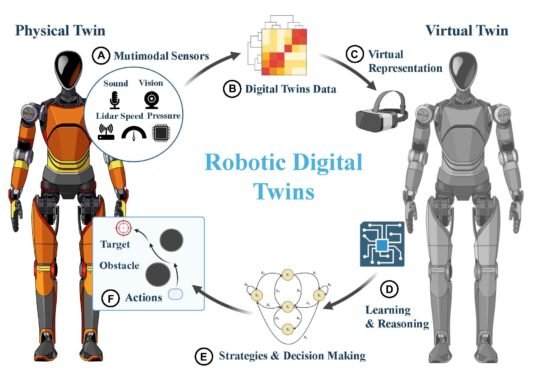
Digital Twin 2.0: From Simulation to Autonomous Decision-Making
- 0
- 181 words
Digital Twins in 2026 have reached “Level 3 Maturity.” They are no longer just 3D models; they are Live Biological Mirrors of...
Read out all