- 0
- 183 words
The dream of “signal everywhere” has finally arrived. In April 2026, Direct-to-Device (D2D) satellite connectivity is being integrated into standard mobile networks.
1. No Special Hardware Required
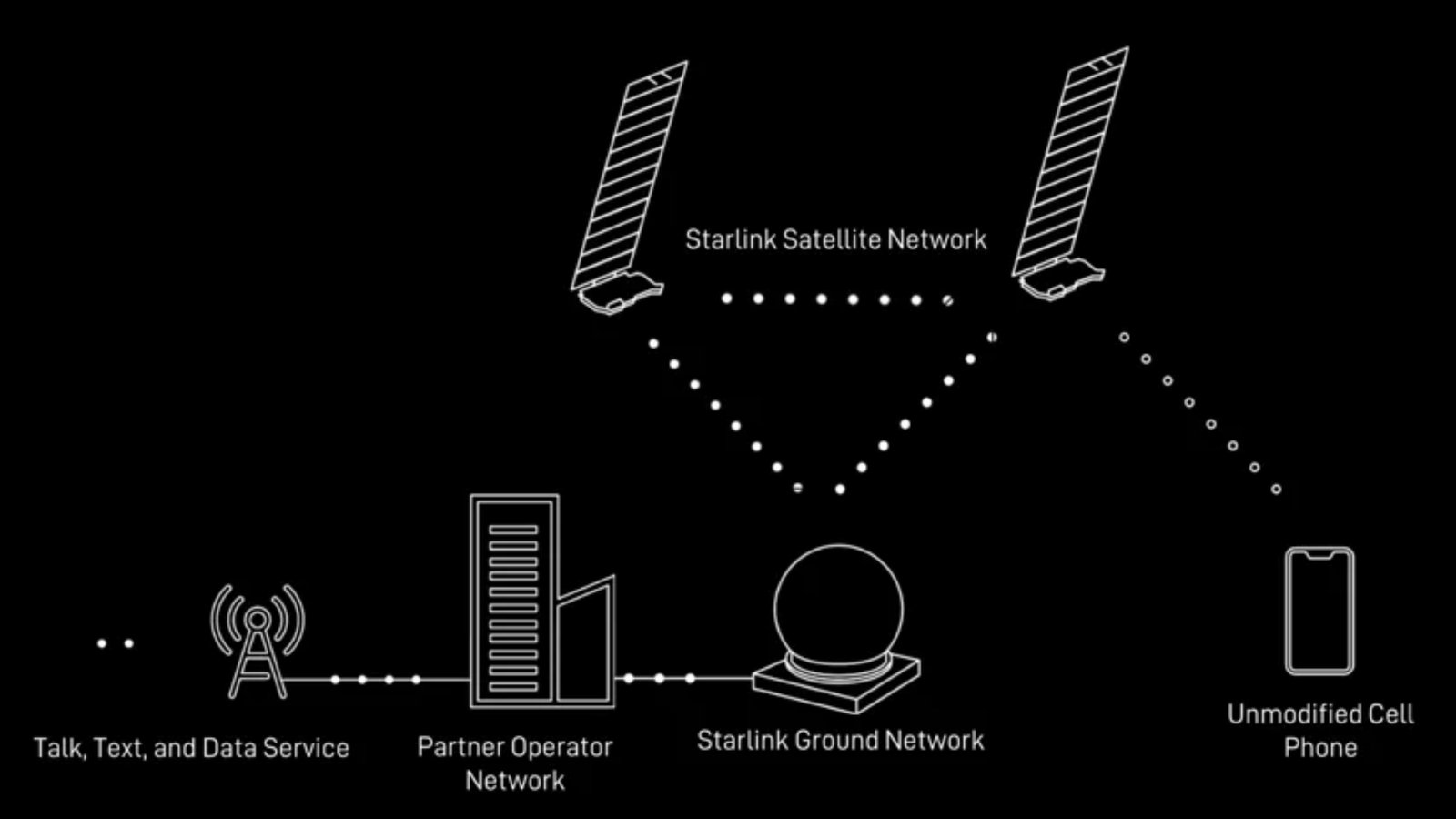
Unlike the satellite phones of the 2000s, 2026 technology (led by AST SpaceMobile and SpaceX’s Starlink) uses massive phased-array antennas in space that can connect directly to your unmodified 5G smartphone. Whether you are in the middle of the Sahara or a remote mountain range, your browser simply works.
2. Emergency and Industrial Reliability
For industries like mining, oil & gas, and maritime logistics, this is a game-changer. Standard cellular IoT sensors on equipment can now transmit data from anywhere on the planet without expensive proprietary satellite modems. In emergency situations, the 2026 “Satellite-to-Cell” bridge ensures that first responders never lose communication, regardless of ground-based infrastructure damage.
3. 5G-Advanced and Standalone Networks
The rollout of 5G Standalone (5G SA) in 2026 provides the architectural maturity needed for this integration. “Network Slicing” now allows carriers to dedicate a specific “slice” of their satellite capacity for critical industrial data, ensuring it remains fast even if thousands of retail users are also on the network.
Author

hq2026host4@gmail.com
Related Posts

The Sovereign AI Trend: Why Nations are Building Their Own LLMs
- 0
- 194 words
By April 2026, the era of relying solely on “Big Tech” for AI is ending. Countries like the Kyrgyz Republic, Saudi Arabia,...
Read out all
6G and the “Internet of Senses”: What to Expect by 2028
- 0
- 167 words
While we are in the peak of the 5G era in 2026, the 6G prototypes being tested today in China and the...
Read out all
The AI Agentic Mesh: How Autonomous Agents Coordinate the 2026 Smart Factory
- 0
- 203 words
In 2024, AI was a tool we used. In 2026, AI is a workforce. The “Agentic Mesh” is a decentralized network of...
Read out all
Human-Cobot Collaboration: The Symbiotic Rise of 2026
- 0
- 169 words
By April 2026, Collaborative Robots (Cobots) have moved beyond simple “pick and place” tasks. They are now industrial-grade partners capable of precision...
Read out all
Additive Manufacturing at Scale: 3D Printing the 2026 Economy
- 0
- 173 words
After years of being a prototyping tool, 3D printing (Additive Manufacturing) has officially moved to mass production in 2026, with the global...
Read out all
Digital Twin 2.0: From Simulation to Autonomous Decision-Making
- 0
- 181 words
Digital Twins in 2026 have reached “Level 3 Maturity.” They are no longer just 3D models; they are Live Biological Mirrors of...
Read out all